


Mini Investigators
Mini Investigators – Engaging Learning for Young Minds
At BrightSparks Tutoring, I offer a fun and interactive programme called Mini Investigators, designed to spark curiosity and foster a love of learning in younger children. This programme is perfect for children who are eager to explore and investigate the world around them, all while building key skills in problem-solving, critical thinking, and creativity.
What is Mini Investigators?
The Mini Investigators programme is an exciting learning journey that encourages children to actively engage in hands-on activities and investigations. Each session is designed to inspire children to ask questions, explore new ideas, and discover solutions, all while developing their skills in science, maths, literacy, and more. Through interactive challenges and activities, children will experience the thrill of learning through discovery.
What We Cover:
- Hands-on Science: Children will explore basic scientific concepts such as forces, materials, life cycles, and more, using experiments and activities that make science fun and accessible.
- Maths Challenges: From basic counting to exploring shapes and measurements, Mini Investigators will work on practical maths challenges that help build problem-solving skills and reinforce key curriculum concepts.
- Creative Investigations: Each session includes creative tasks that allow children to use their imagination, such as building simple machines, designing structures, or solving puzzles. These activities encourage children to think critically and explore ideas from different perspectives.
- Teamwork and Collaboration: Through group tasks and cooperative investigations, children develop teamwork skills and learn how to collaborate with their peers in a positive and supportive environment.
Benefits of Mini Investigators:
- Engaging and Fun: The programme is designed to keep children engaged and excited about learning through fun, hands-on activities.
- Skill Development: Children will develop important skills such as problem-solving, teamwork, creativity, and critical thinking—all of which are valuable for both academic success and personal growth.
- Boosting Confidence: By tackling challenges and investigating different topics, children will gain confidence in their abilities and develop a sense of pride in their discoveries.
- Encouraging Curiosity: Mini Investigators fosters a natural curiosity, encouraging children to explore, ask questions, and think deeply about the world around them.
Mini Investigators Sessions These sessions are ideal for children who love exploring, experimenting, and discovering new things. Each Mini Investigators session is filled with engaging, interactive activities designed to bring out the best in your child. They will have the opportunity to participate in hands-on experiments, creative challenges, and exciting investigations that keep them learning and having fun.
Past Session:
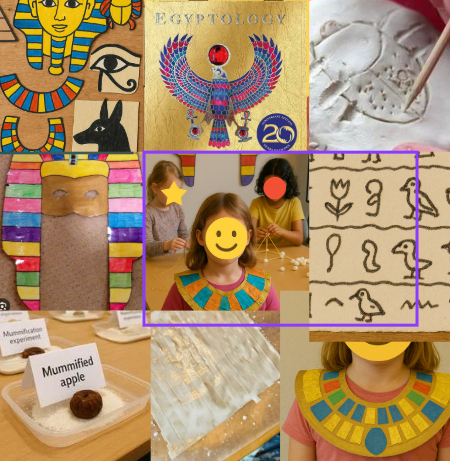
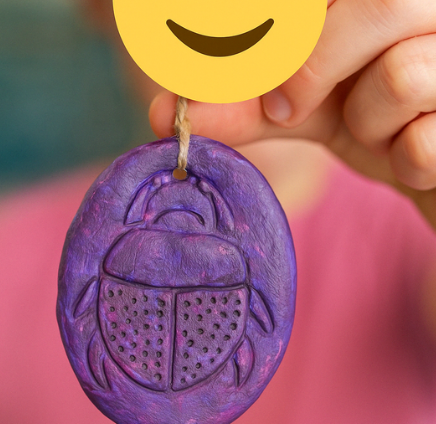
Exploring Egyptian mythology, learning about gods like Ra and Isis, and making crafts inspired by the gods.
Egyptian Exploration
Big Question: How did the ancient Egyptians build their incredible monuments without modern tools?
What We Explore: Children will explore the Ancient Egyptian civilisation, learning about their architecture, mummification, and writing system. They will discover how the Egyptians constructed the pyramids, and how their culture influenced the world, even to this day.
Hands-on Activities:
Building models of the pyramids and tombs to understand their structure.
Learning about the mummification process and creating models of mummies using materials like bandages.
Decoding hieroglyphics and creating their own Egyptian-style writing on papyrus paper.
Contact details
Mini Investigators – Exploring the World Through Fun Learning
The Mini Investigators programme at BrightSparks Tutoring offers children the chance to explore a variety of exciting topics through hands-on activities, experiments, and investigations. Each session is designed to hook your child’s imagination and inspire them to think outside the box. Unlike traditional school learning, Mini Investigators takes a more creative and interactive approach, encouraging children to explore and investigate topics in a way that is engaging and unique.
With small groups, we provide a personalised and supportive environment where children can thrive, ask questions, and explore new ideas at their own pace. This approach ensures that learning is not just about absorbing information, but about sparking curiosity, fostering creativity, and developing critical thinking skills that last a lifetime.
Our sessions are drop-off and affordable, lasting between 1-2 hours—perfect for parents who want their children to experience focused, fun learning while keeping it flexible and convenient. These sessions are designed to fit easily into your schedule without compromising on the quality of learning.



Discover the Mini Investigators program
Upcoming Sessions:
- Mini Medics (24/04/2025)
Big Question: How does blood circulate around our bodies, and how do we keep our hearts healthy?- What We Explore: Children will learn about the circulatory system, focusing on how blood flows through the body and why the heart is so important. They will investigate how oxygen and nutrients are transported and how blood travels to organs throughout the body.
- Hands-on Activities:
- Creating simple models of the heart and circulatory system to show how blood flows.
- Using stethoscopes to listen to heartbeats and understand how blood circulates.
- Discussing the importance of exercise and healthy eating for a healthy heart and circulatory system.
- Mini Historians: The Romans
Big Question: What made Roman engineering so impressive, and how did they conquer so much land?- What We Explore: Children will explore Roman engineering, including the construction of roads, aqueducts, and monumental buildings such as the Colosseum. They will also examine the structure of the Roman Empire, discovering how Roman soldiers and technology helped the empire expand across Europe, Africa, and Asia.
- Hands-on Activities:
- Building models of Roman roads using simple materials to simulate the Roman method of road construction, understanding how roads connected the vast empire.
- Creating a simple aqueduct model to demonstrate how the Romans transported water over long distances using gravity.
- Exploring Roman mosaics, where children will use paper tiles to create their own small mosaic designs inspired by Roman art and architecture.
- Learning about Roman soldiers by recreating the Roman battle formations and practising drills, helping children understand how Roman soldiers contributed to the success of the empire.
- Engaging in a role-play game where children “conquer” new lands by using strategic thinking and planning, mimicking the tactical decisions Roman soldiers would have made.
- Mini Geographers: Tsunamis and Earthquakes
Big Question: What causes a tsunami, and how can we predict or protect ourselves from it?- What We Explore: This session will help children understand the science behind tsunamis and earthquakes, explaining how tectonic plates cause these natural disasters. We’ll also explore the ways scientists predict these events and how communities prepare for them.
- Hands-on Activities:
- Creating a tsunami model using water and sand to simulate how waves travel across the ocean and crash on the shore.
- Building earthquake-resistant structures using simple materials and testing their durability in an earthquake simulation.
- Discussing emergency preparedness, and creating a family emergency plan based on real-world examples.
- Mini Geographers: Volcanoes
Big Question: What causes a volcano to erupt, and why are volcanoes important to the planet?- What We Explore: This session delves into the science behind volcanic eruptions, exploring why and how volcanoes form. We’ll discuss the Ring of Fire and the dynamics of plate tectonics, the forces that create eruptions, and the impact of these eruptions on the environment.
- Why Are Volcanoes Important?: Volcanoes play a key role in shaping the Earth’s landscape and atmosphere. We’ll explore how volcanic eruptions can create new landforms, enrich the soil, and contribute to the carbon cycle. Children will also learn about the connection between volcanic activity and earthquakes.
- Hands-on Activities:
- Creating erupting volcanoes using baking soda and vinegar to simulate an eruption.
- Building models of volcanic landscapes and understanding how lava shapes the land.
- Exploring volcanic rocks and how they differ from other types of rocks, understanding the impact of volcanic ash on the environment.
- Learning about volcanoes’ effects on the atmosphere, such as how ash clouds can influence weather patterns.
Mini Medics: The Eye
Big Question: How do our eyes work, and why can we see different colours? How do animal eyes compare to human eyes?
What We Explore: Children will explore how the eye works, learning about its structure, how light travels, and how our brain processes the images we see. We’ll also dive into the science behind colour perception, explaining why different people see colours differently. Additionally, we will compare the human eye to the eyes of different animals to understand how different species perceive the world in unique ways.
For example, we’ll explore why eagles have such sharp vision and how cats can see well in the dark, while humans rely on more general light. We’ll also examine how sharks see underwater and why mantis shrimp can see more colours than humans.
- Hands-on Activities:
- Building models of the human eye, using simple materials to simulate the structures inside the eye.
- Exploring how colour filters affect our vision and performing experiments with coloured lenses to show how light influences what we see.
- Creating a pin-hole camera to demonstrate how light enters the eye and is interpreted by the brain.
- Comparing human vision to animal vision by looking at eye models of different animals and understanding their adaptations to their environments.
- Mini Scientists: Megalodons and Sharks
Big Question: What were megalodons, and how were they different from sharks today?- What We Explore: This session focuses on prehistoric sharks, especially the megalodon, the largest predator to have ever lived. We’ll compare the megalodon with modern-day sharks, investigating their habitats, hunting methods, and how they lived millions of years ago.
- Hands-on Activities:
- Creating megalodon models and comparing their size to modern sharks using scale drawings.
- Examining shark teeth and comparing them with megalodon teeth to understand the differences in size and function.
- Learning about ocean ecosystems, and exploring how sharks and megalodons interacted with other marine animals through fun, interactive group discussions.
- Mini Scientists: Space Exploration
Big Question: How do rockets work, and what is it like to live in space?- What We Explore: Children will investigate the science of rockets and spacecraft, discovering how rockets are launched and how astronauts survive in space. We’ll look at how space travel works, what it’s like to live on the International Space Station, and the challenges astronauts face.
- Hands-on Activities:
- Building model rockets and learning about the different forces acting on them during launch.
- Exploring the solar system, learning about each planet and how they differ from Earth.
- Thinking about what it might be like to live on Mars and what we would need to survive.
 BrightSparks Tutoring- Where confidence grows, and learning comes to lifE